Historic Multi-Building Property in Vouniatades
€650,000
Full Description
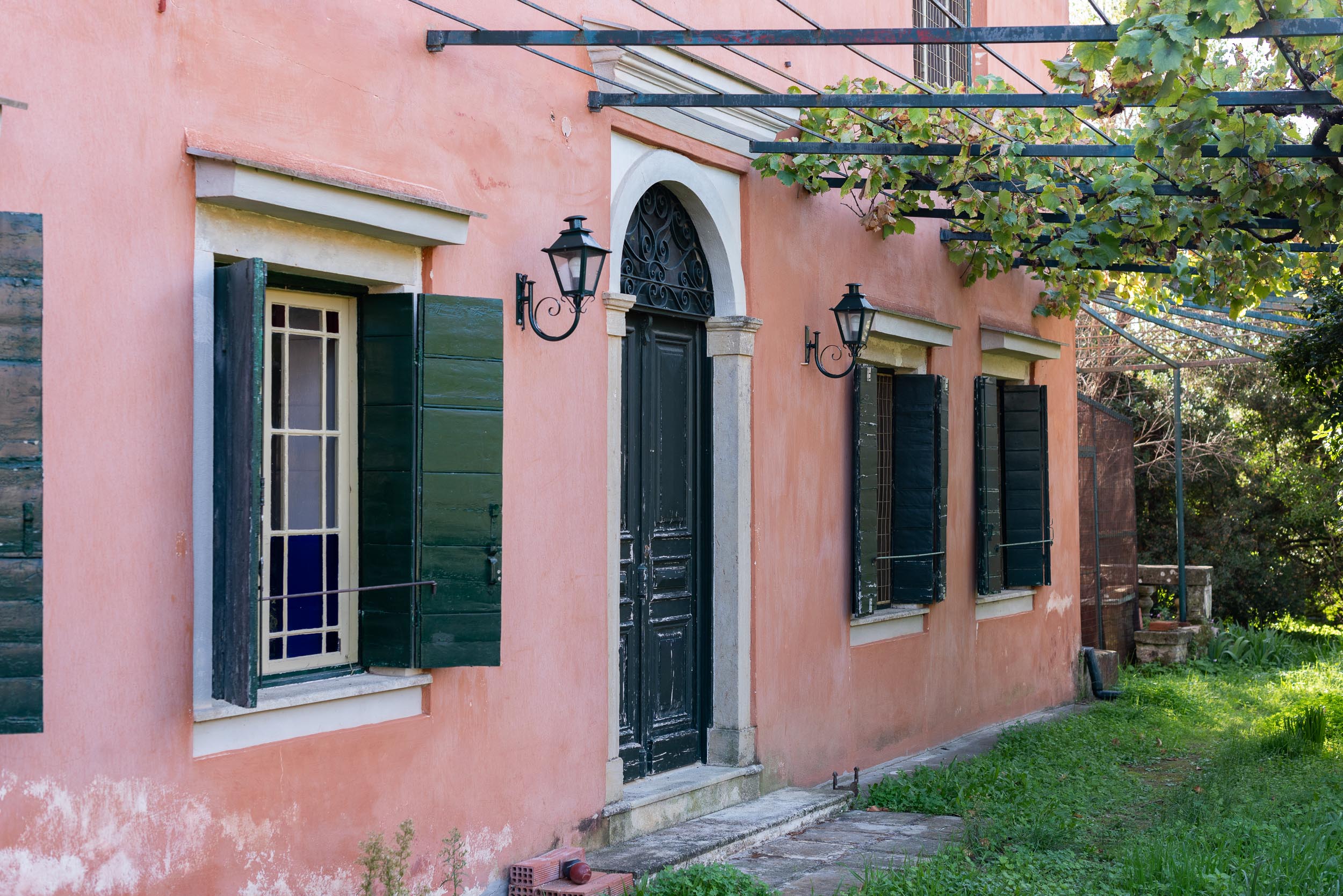
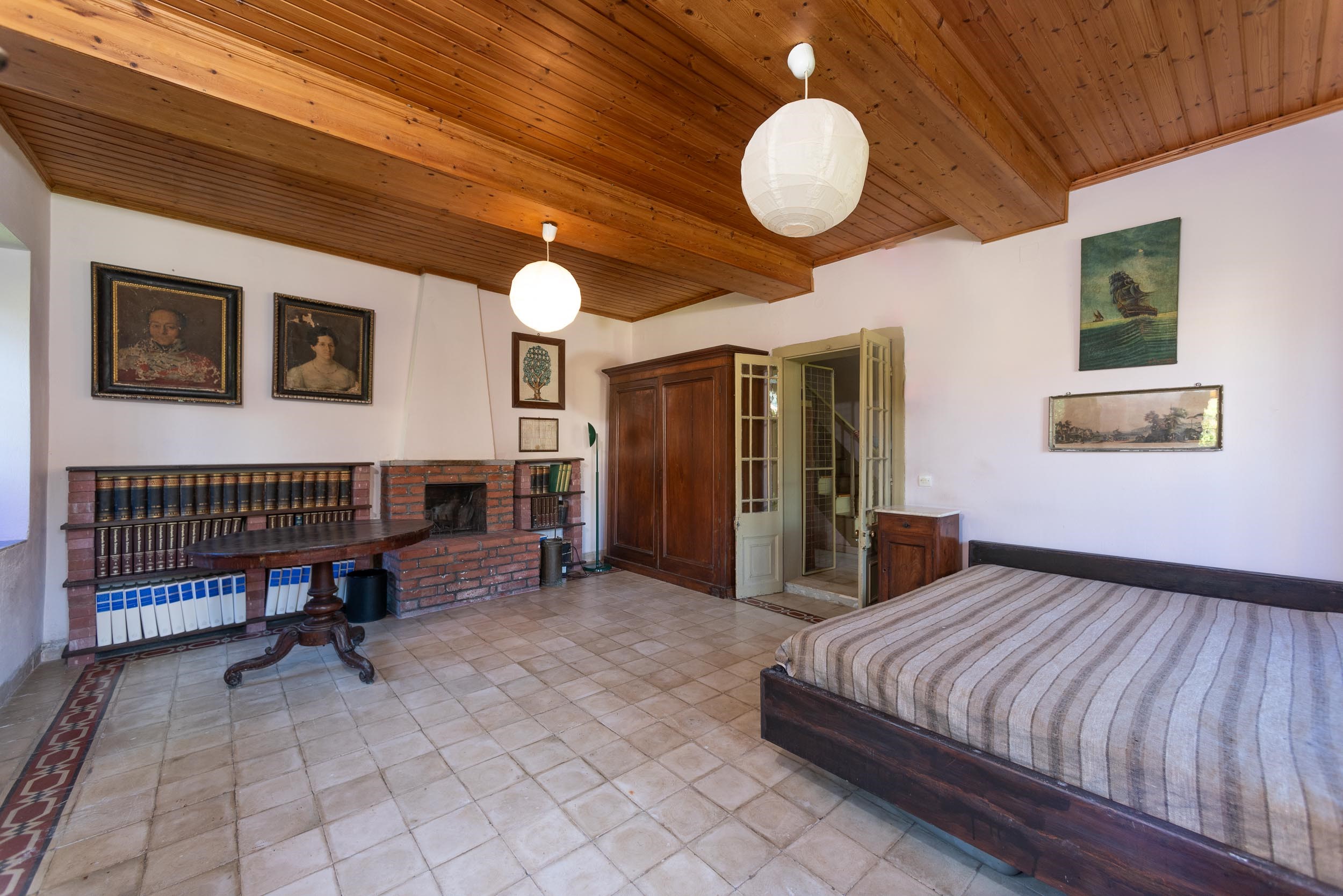
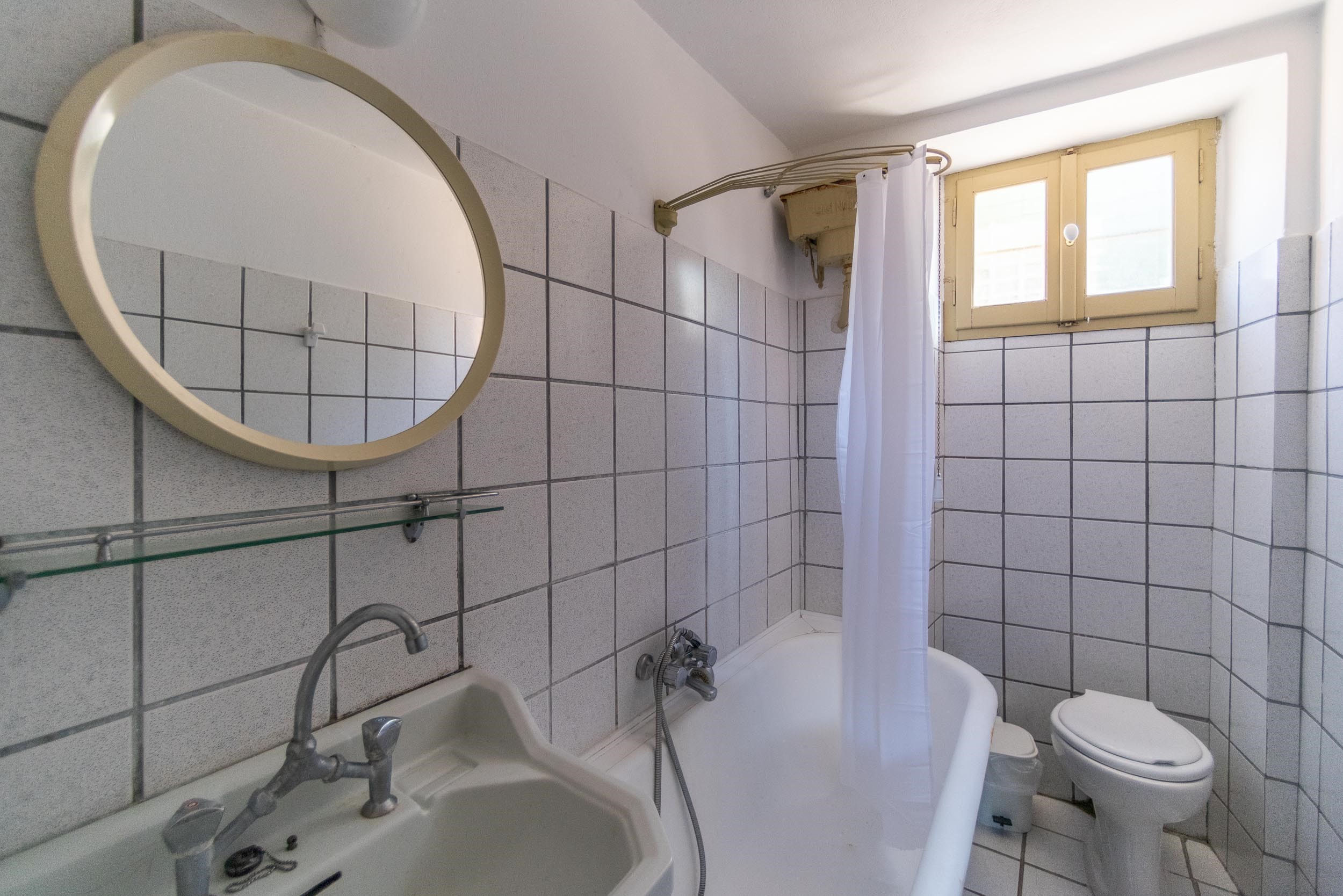
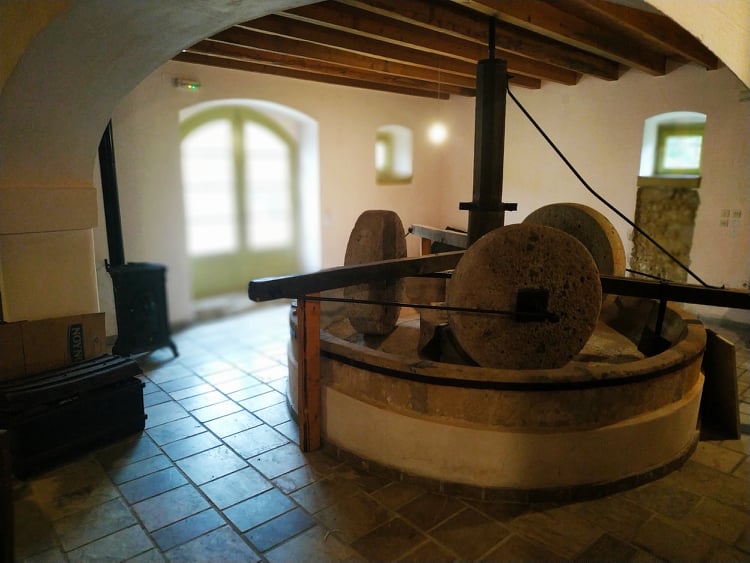
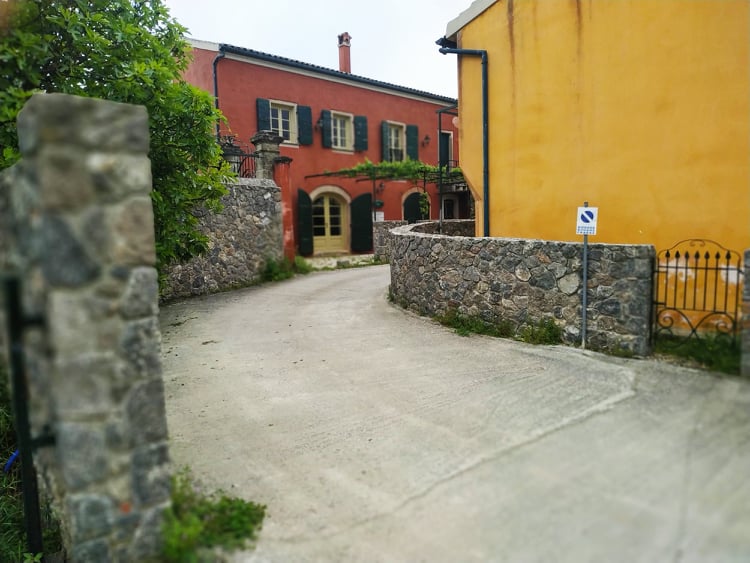
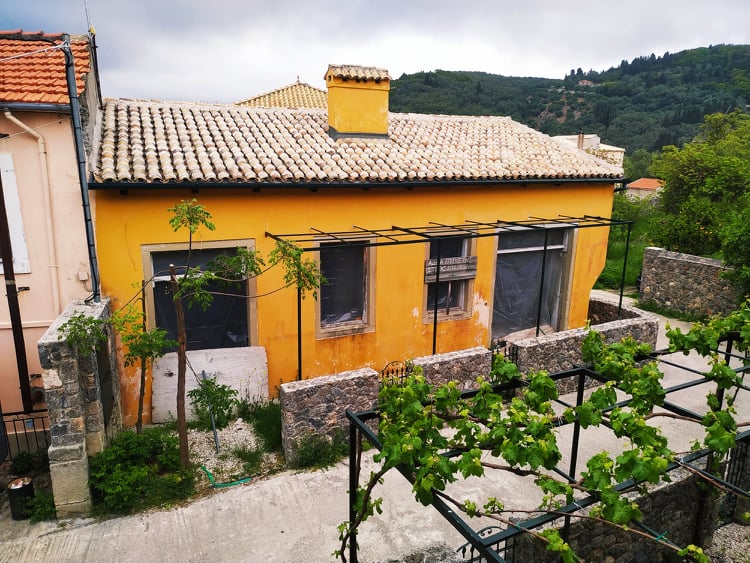
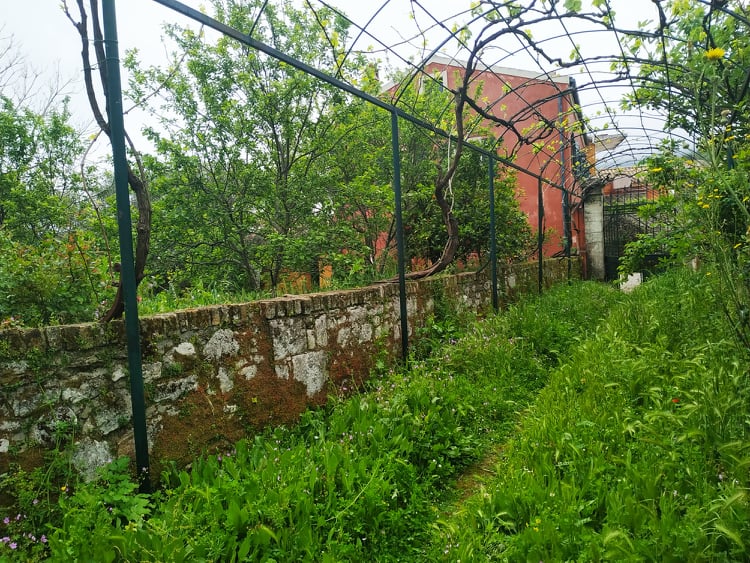
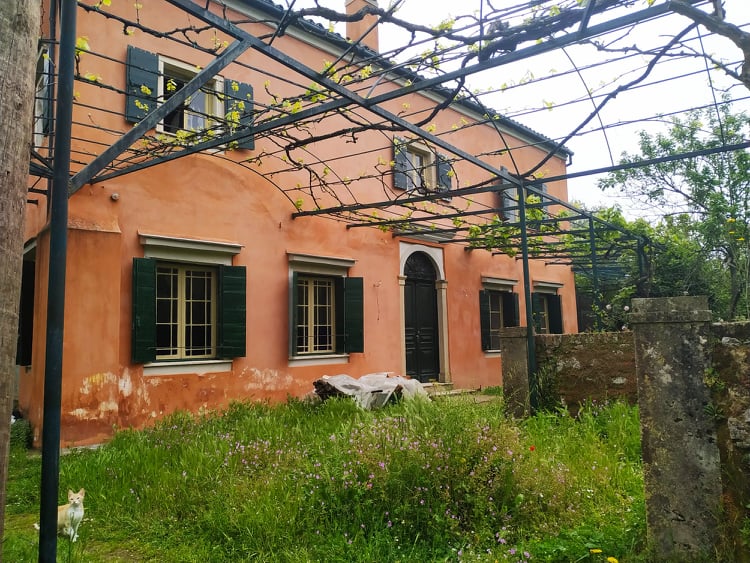
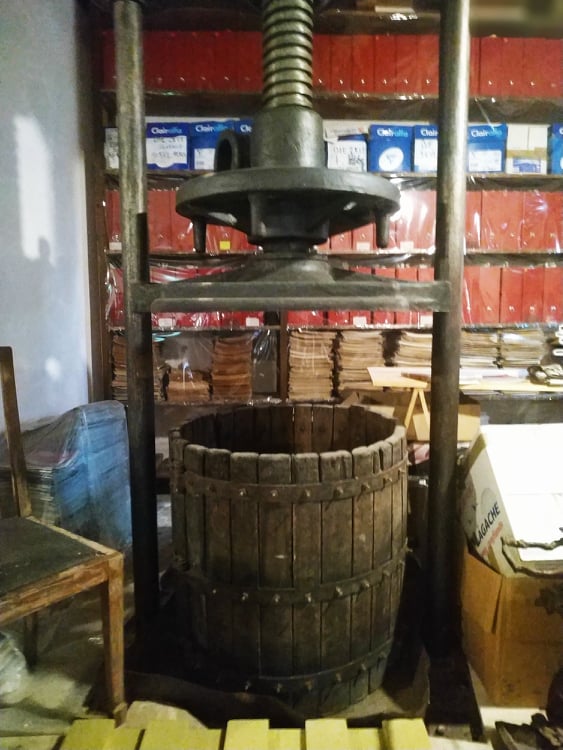
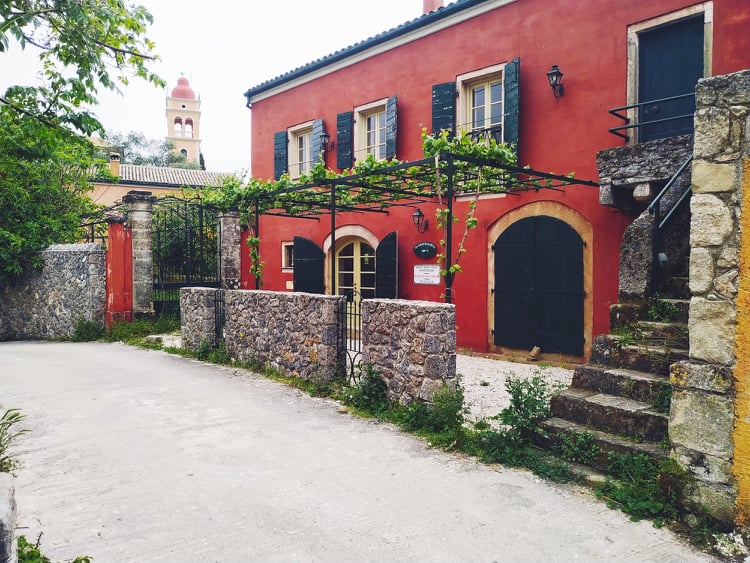
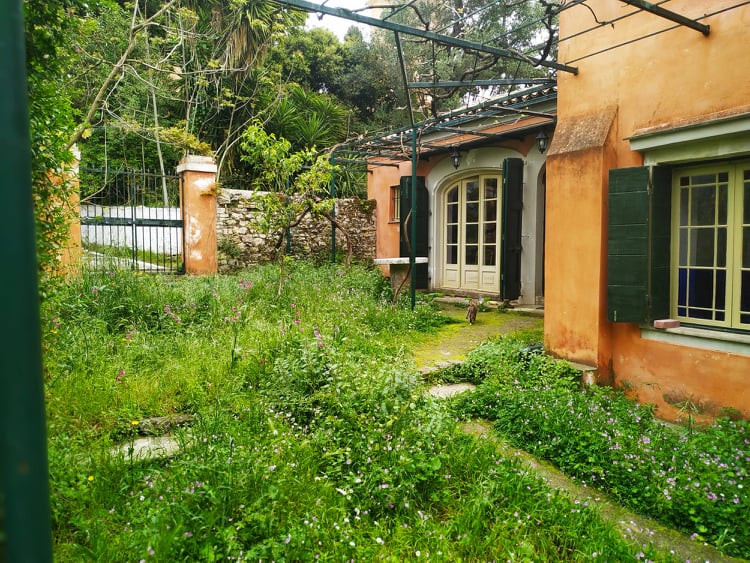
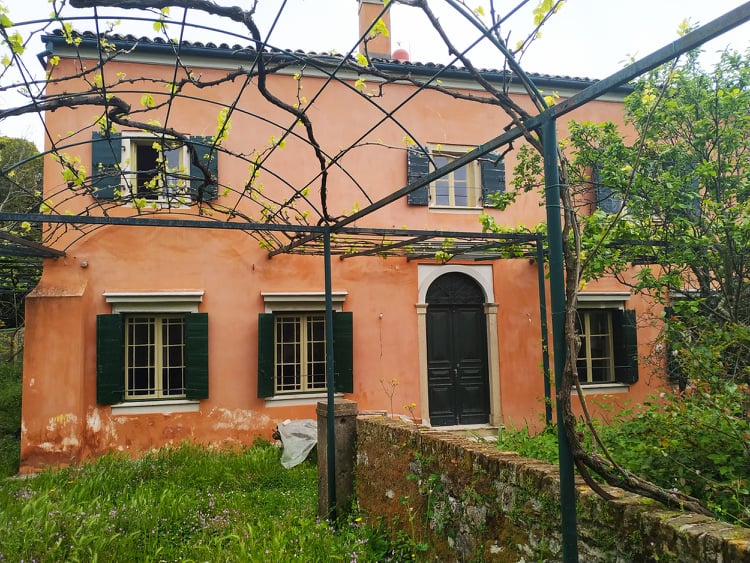
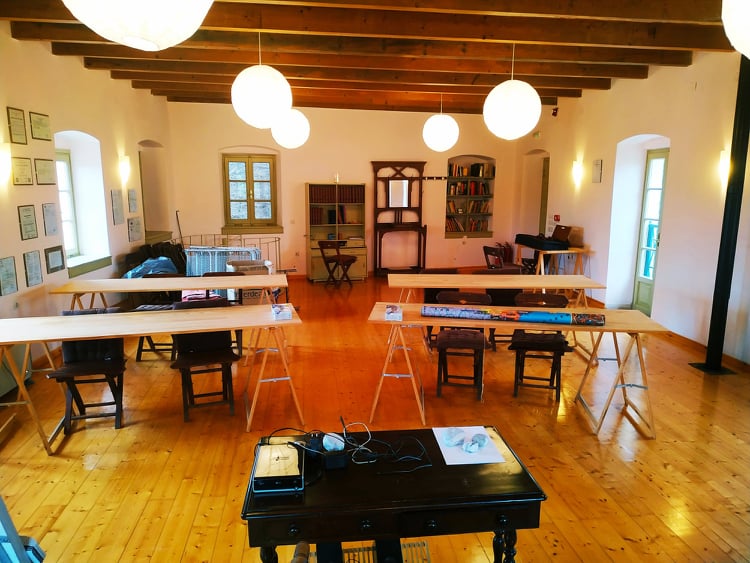
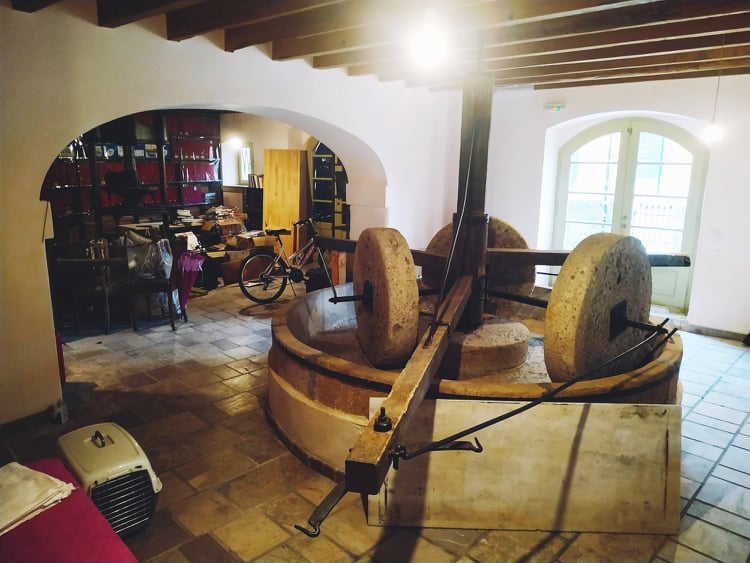
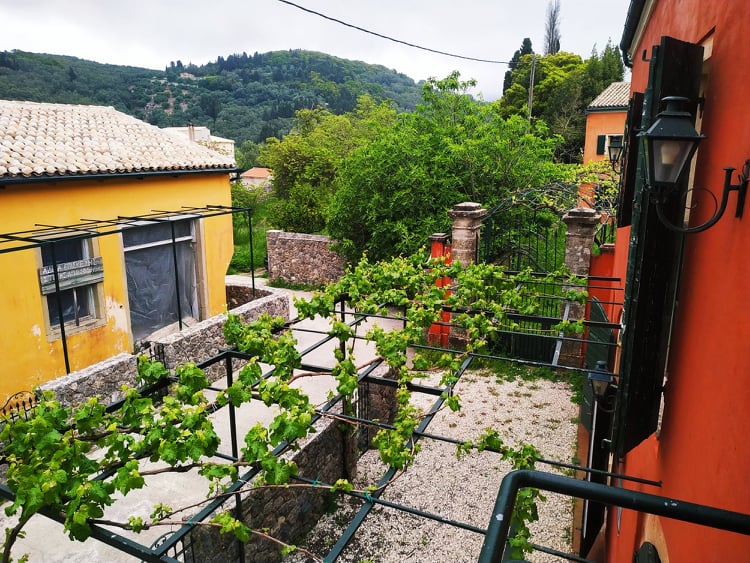
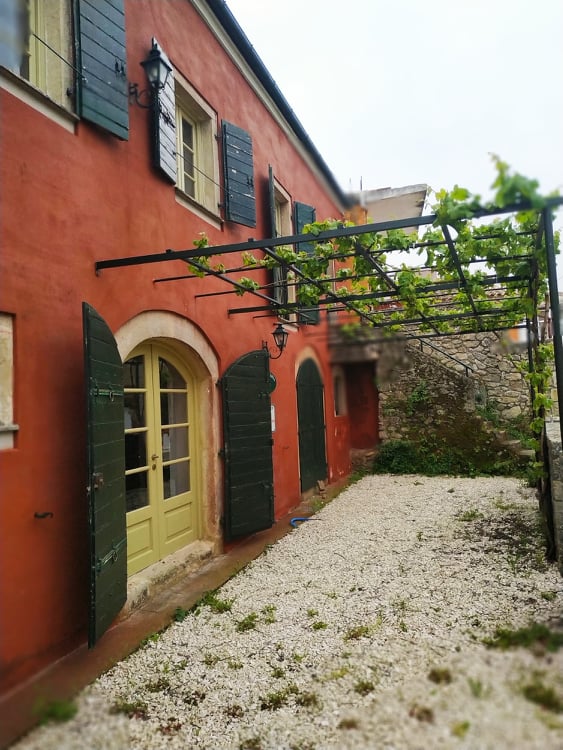
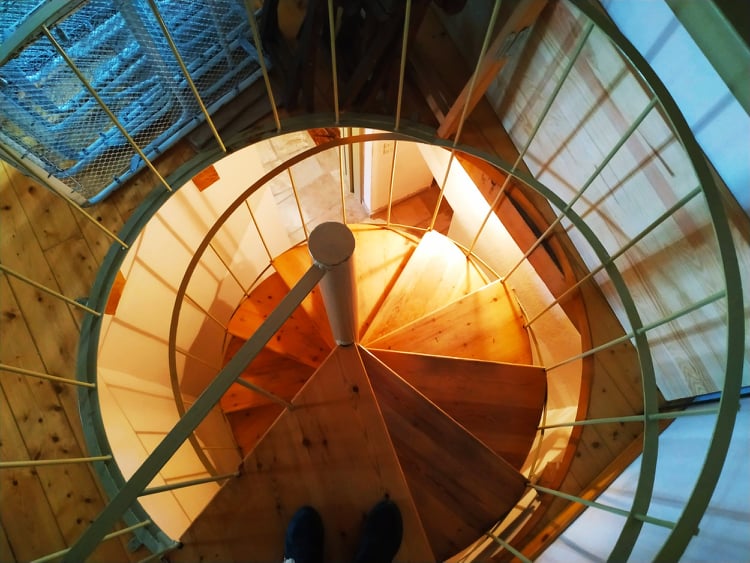
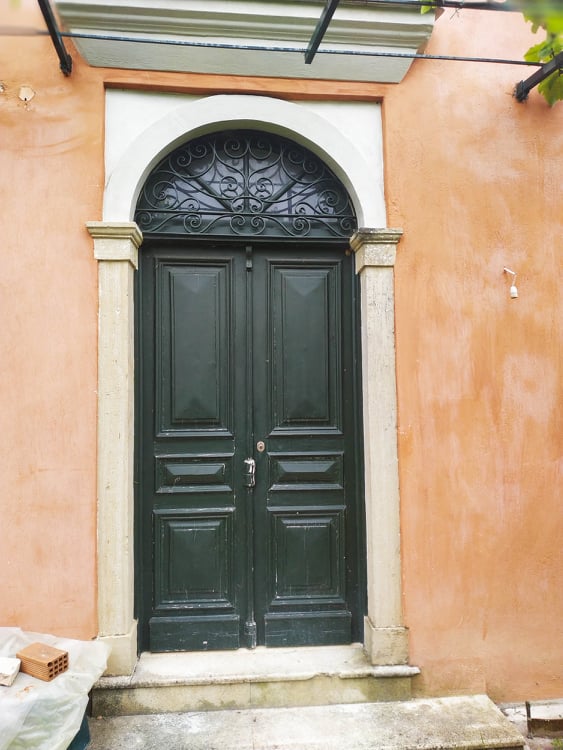
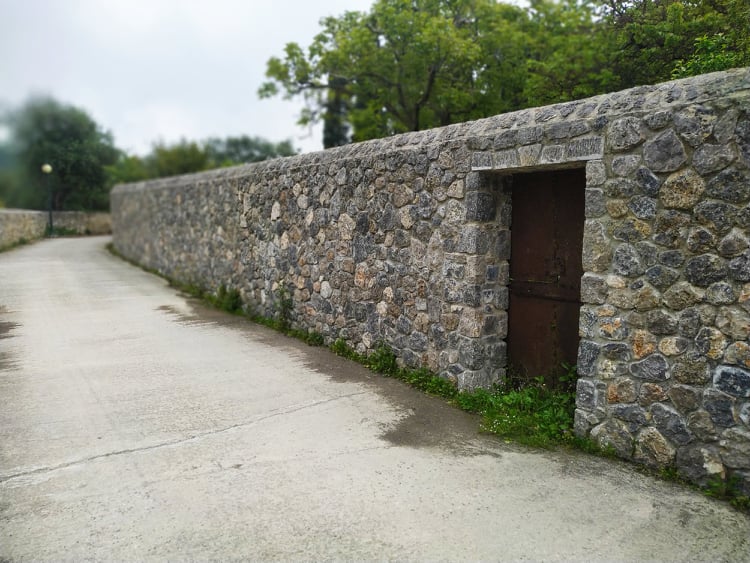
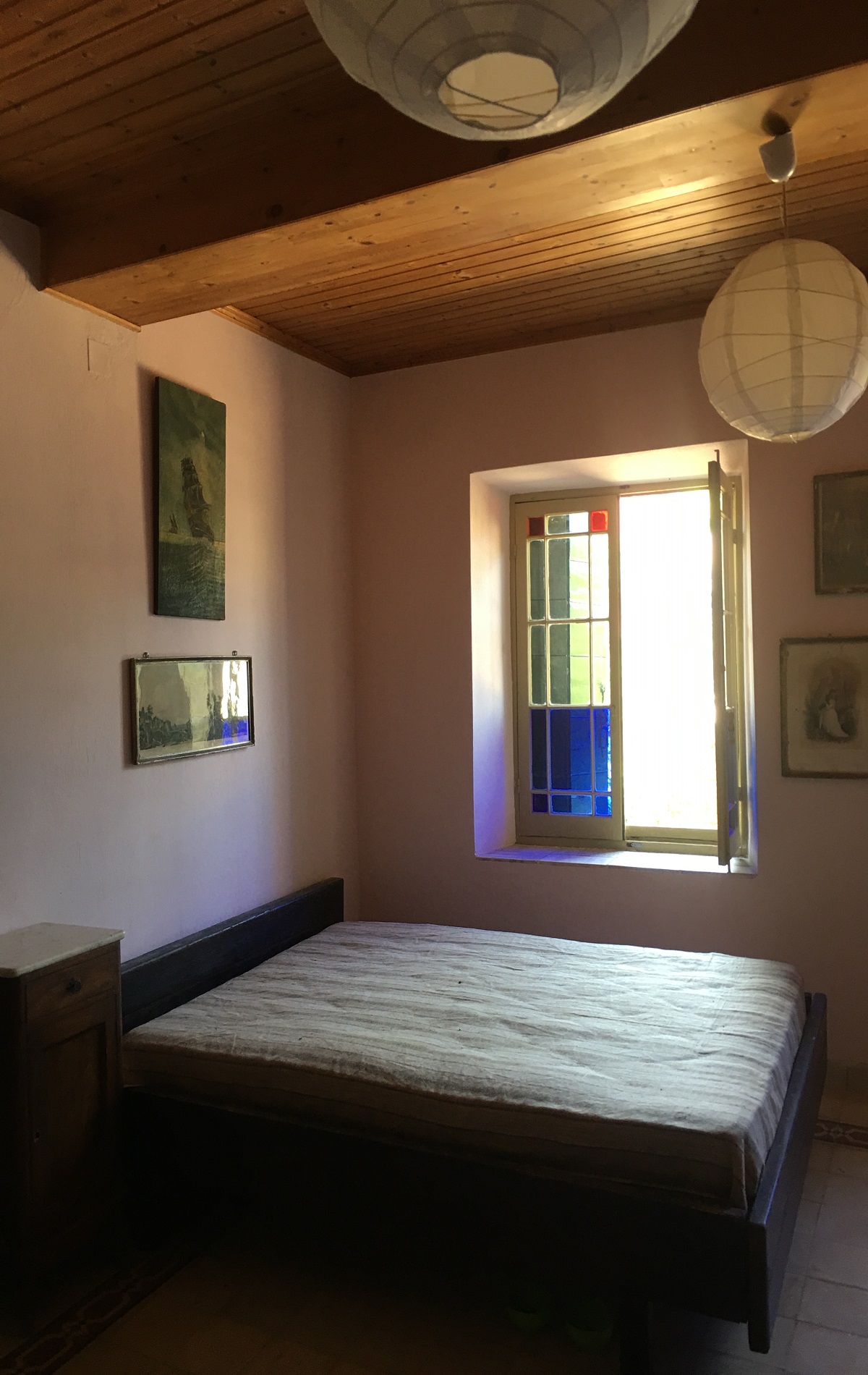
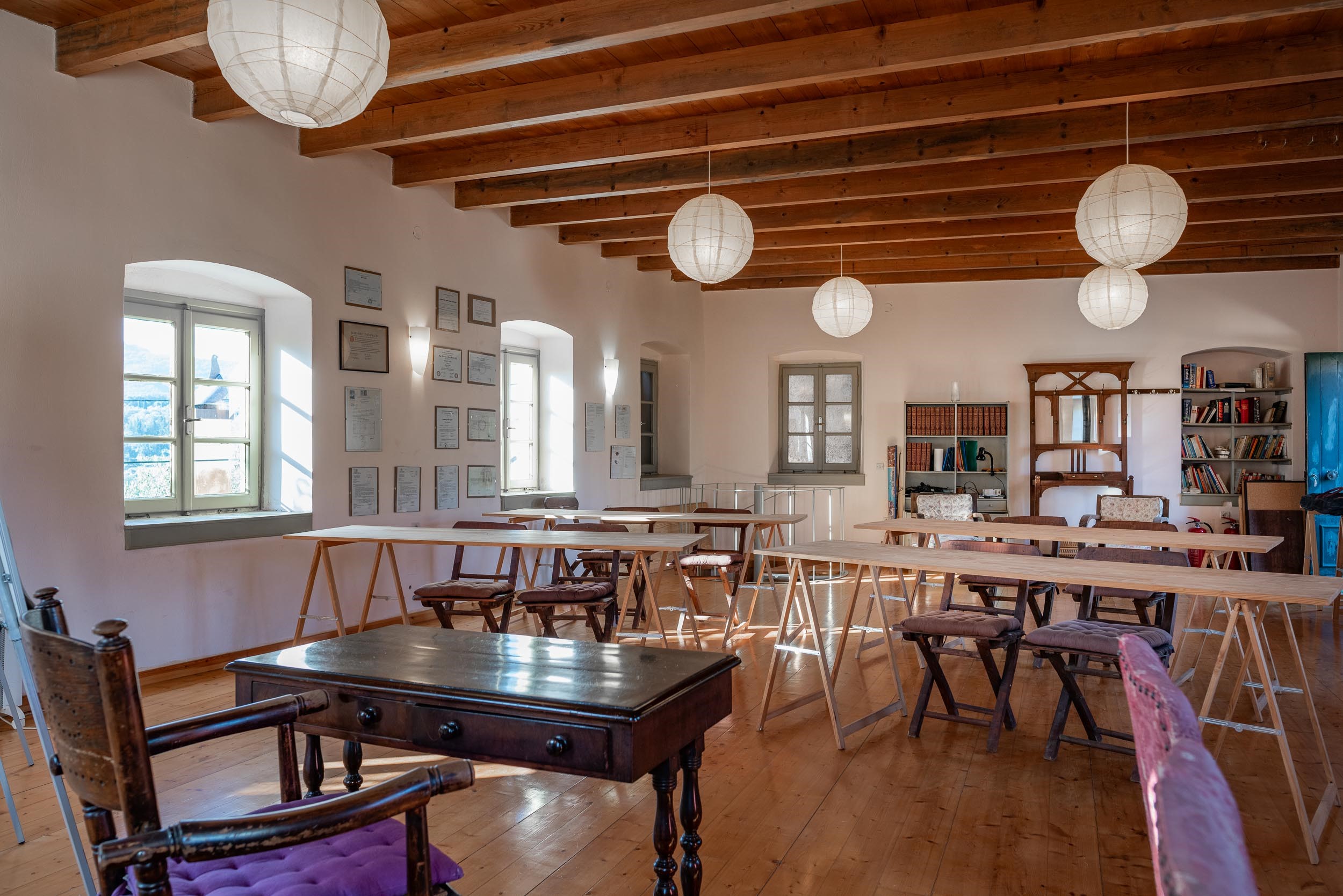
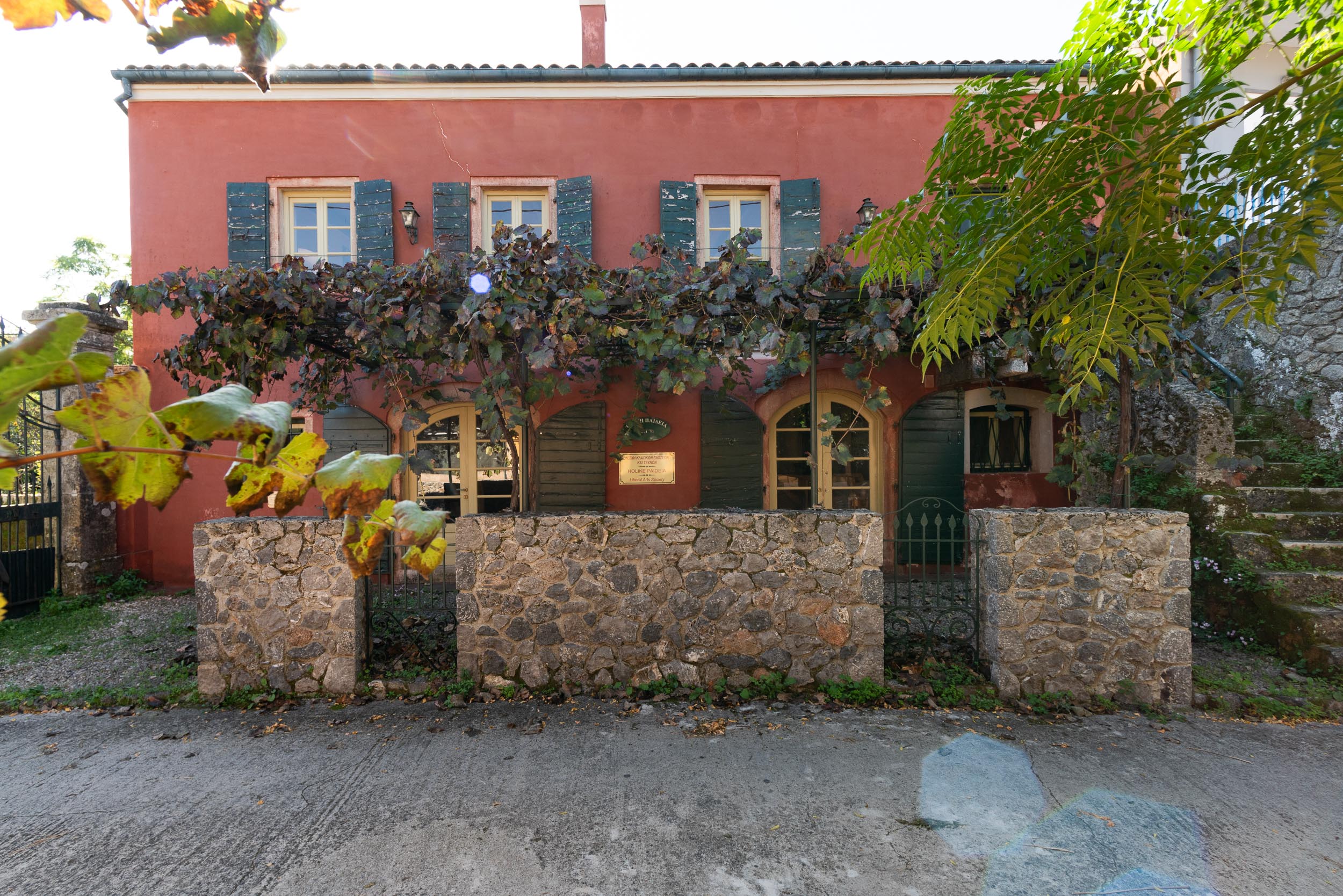
The property consists of three buildings on a terrain of slightly more than 3,000 sq. m. in an agricultural village about 15 km to the south of Corfu town. Building 1 is the main house, located in a garden with many trees. It has five rooms on two floors, a big kitchen, a bathroom, two shower-and-toilet rooms and three fireplaces. Building 2 includes, on the ground floor, a traditional, stone olive press, a room with a fireplace, a kitchen, a shower-and-toilet room and a water closet; and, on the first floor, a very large room with many windows overlooking a valley. Both buildings have a view on the surrounding hills. Both buildings are currently inhabitable but need upkeep. Building 3 consists of two high-ceilinged, independent rooms or studios, each with a mezzanine, kitchenette space, a shower-and-toilet room and a fireplace. It requires some work to become inhabitable but it already has electrical wiring and plumbing, while most doors and windows are ready but not mounted, and bathroom fittings purchased but not installed. The buildings retain all of the traditional structural characteristics. All three roofs have been rebuilt with byzantine-type tiles. All three buildings are very luminous.
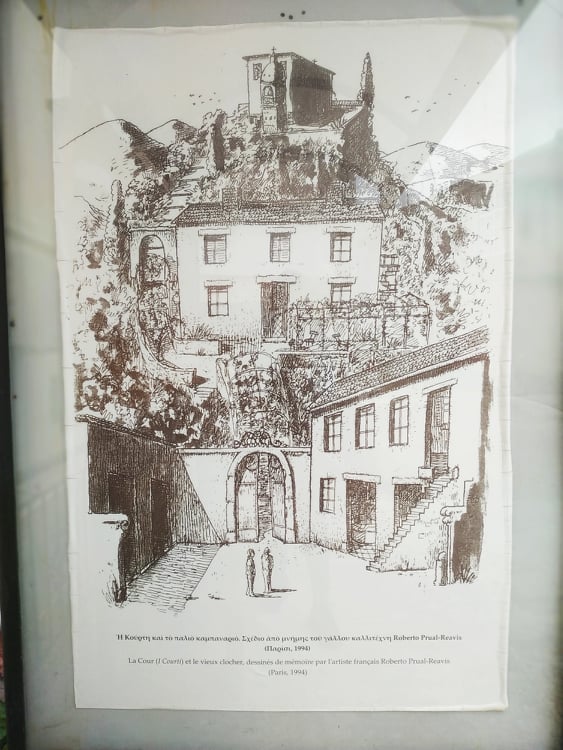
What makes the property unique, apart from its beauty, is its historical character. First, it belonged to a baronet, member of the set of nobles who ruled Corfu as a Venetian possession and remained influential up to the early 20th century. The property has direct access to the village church. Second, the upper floor of building 2 used to serve as the town house of the region (that is where the peasants voted for the first time). Third, since the 1990s the current owners have used the property to organize international and local artistic, literary and cultural activities
Features
- Three traditional buildings on one plot
- Historic property with noble and cultural significance
- Main house with fireplaces and garden setting
- Traditional stone olive press in the second building
- Independent studios with mezzanines in the third building
- Views across the surrounding hills and valley
- Rebuilt roofs with Byzantine-style tiles
- Suitable for cultural, residential, or tourism use
Contact Us
My ElysiumE: stephen@myelysium.co.uk